
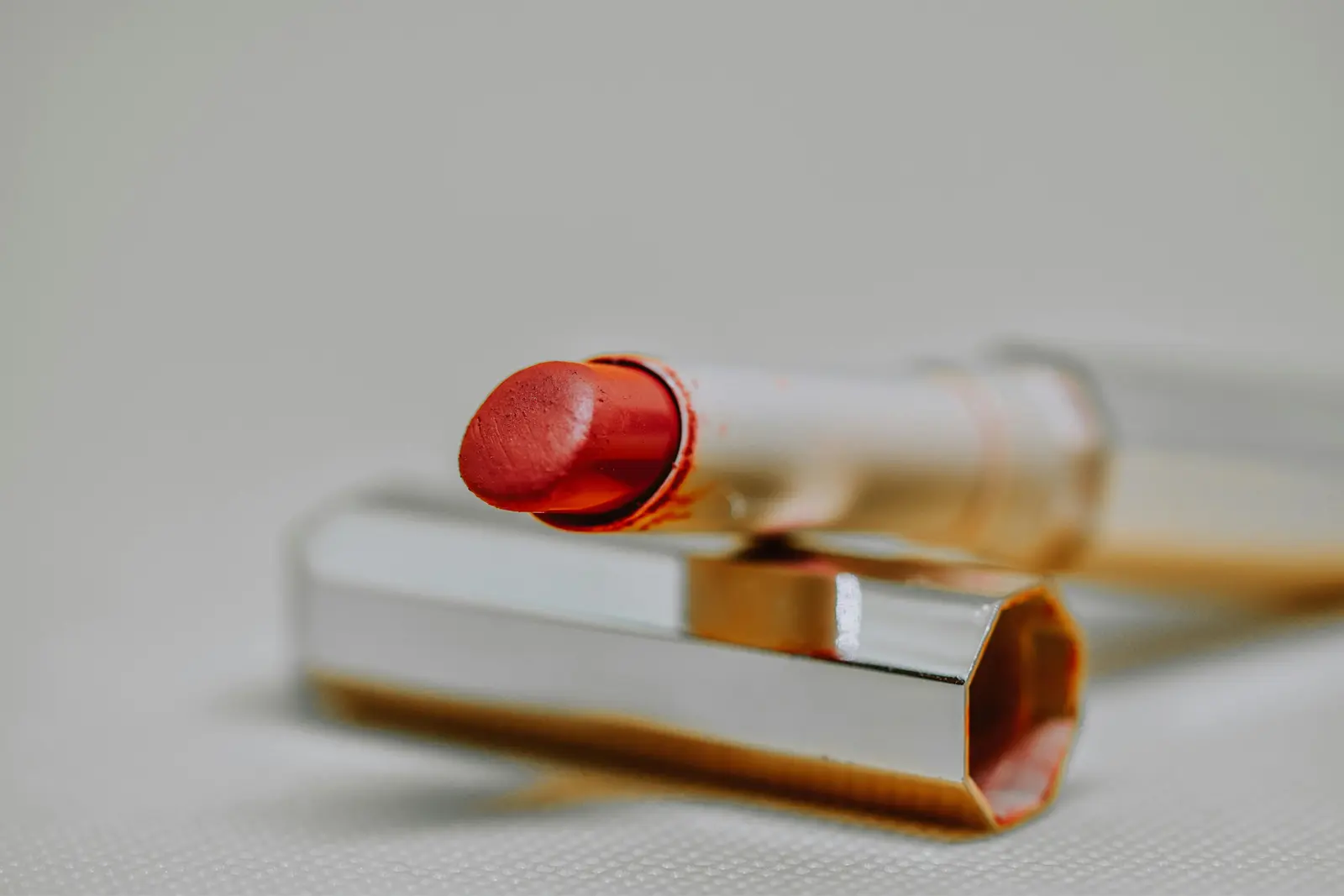
When choosing cosmetics, we usually compare skin effects, durability and feel. PFAS raise another question: which substances give a product its properties, and what happens to them after use?
Why PFAS occur in cosmetics
Some PFAS are used to adjust texture, improve smoothness and enhance the appearance of skin or hair. FDA lists them as ingredients in some makeup, care and cleansing products. Their presence can also be unintentional, for example through raw material impurities. Names highlighted by FDA include PTFE and perfluorononyl dimethicone. Read more: FDA on PFAS in cosmetics.
A “waterproof” or “long-lasting” label does not establish that a product contains PFAS. Assessment must relate to the specific formulation. Equally, a general advertising description cannot replace ingredient information.
How to read product information
An ingredient list is useful for an initial review. Where names are unclear, ask for an explanation of composition rather than infer from part of a word. Business buyers should ask in writing whether PFAS are intentionally added, which definition the answer uses and whether it covers the whole product or only a raw material.
The presence of a substance must be distinguished from a health risk assessment. In its December 2025 assessment, FDA highlighted gaps in absorption and toxicity data for many PFAS used in cosmetics. This does not justify declaring all products equally safe or equally hazardous. Explanation of FDA’s findings.
What cosmetics companies and larger buyers can do
Review products by supplier, record available evidence and prioritise alternative formulations for assessment. Instead of a general request for “more natural” products, ask specific questions about composition, required function and available alternatives.
In production facilities, separately review water generated by equipment cleaning. Identify the most heavily affected process waters and whether they can be collected separately. Analysis of actual water determines the need for PFAS filtration. Raw material review and process water testing complement each other: one addresses inputs, the other possible presence in water.