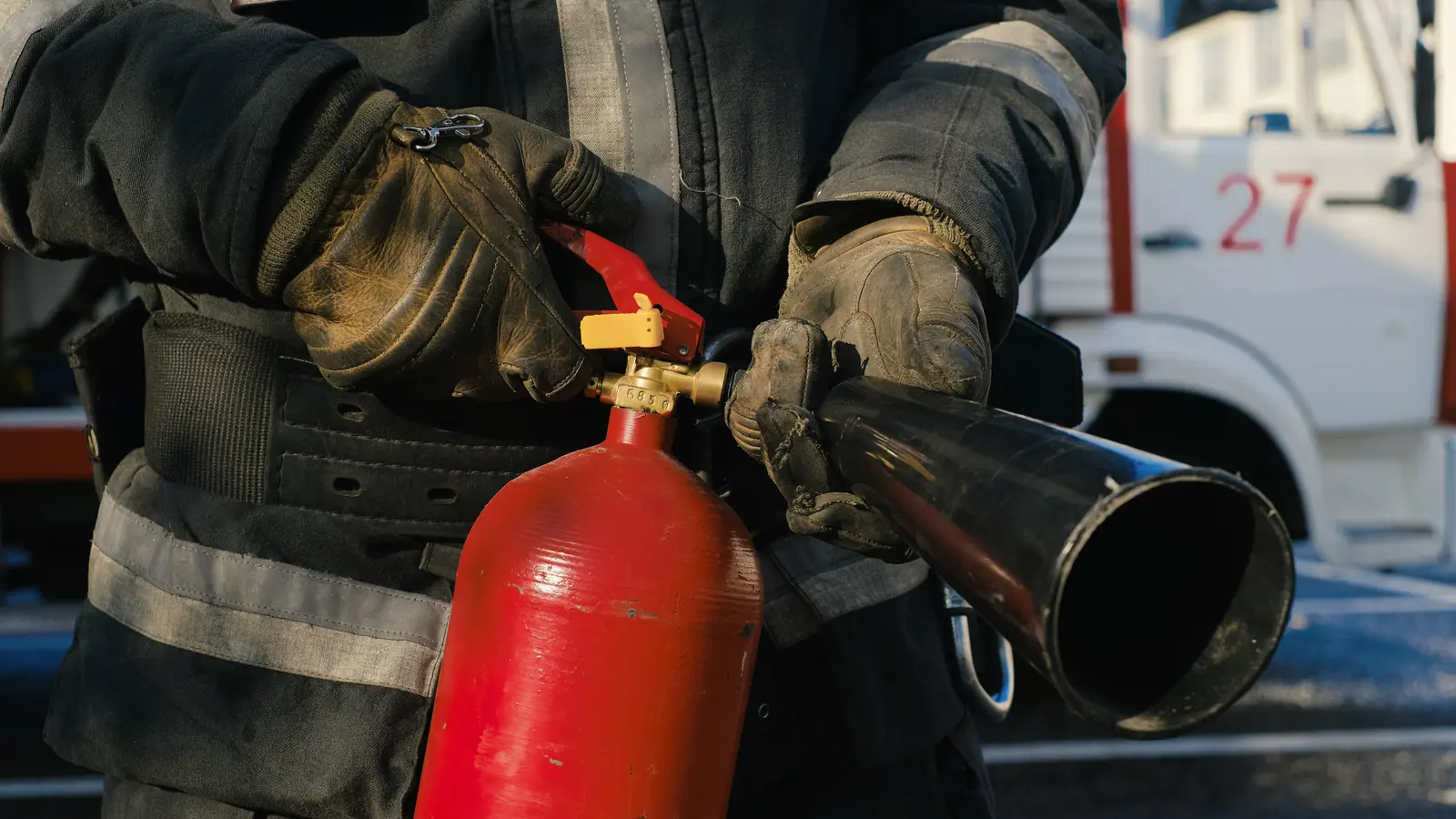
During a fire, protecting people and limiting damage come first. At sites where PFAS-containing firefighting foams have been used, water management after an incident, testing or equipment cleaning must also be planned.
Switching to new foams is also an organisational task
In October 2025, the European Commission adopted a restriction on PFAS in firefighting foams. Implementation varies by use and transition period. Operators should therefore check the requirements for their equipment and activities rather than apply one deadline to every system. Overview of restrictions and transition rules: Irish EPA.
To prepare the transition, we suggest an inventory of concentrates, tanks, pipes and locations of previous use. Replacing the agent should include a cleaning plan and management of the resulting water. Success criteria should be agreed in advance with the responsible fire safety and water treatment specialists.
Separate water streams before choosing treatment
For project assessment, record remaining concentrate, rinse water and any collected firewater separately. For each, document the volume, origin and analytical results. This provides a basis for deciding which can be treated on site and which needs different handling.
Selected PFAS can be separated from water using adsorption. Binding them to a medium also produces spent material that requires proper management. ITRC distinguishes removal from water from subsequent treatment or destruction. ITRC: separating PFAS using adsorption media.
When a pilot trial is useful
If filtration of rinse water or other collected water is planned, test the selected configuration on a representative sample. Define target compounds, outlet requirements and monitoring in advance. Where water quality varies, include those differences in the project: one measurement cannot describe an entire cleaning campaign.
Put responsibilities in writing
For an industrial site or public service, we recommend a single plan covering who collects and samples water, who decides on subsequent handling and who maintains records. Alongside equipment, the quotation should specify analysis, replacements and collection of spent filters. Switching extinguishing agents is then supported by a practical plan for the water produced.